
Aviation Aircraft Fuel Supply at Singapore Changi Airport (SIN): Aviation Fuel Supply and SAF Levy Requirements
Singapore Changi Airport (SIN/WSSS) is a major international aviation gateway supporting airline, business and private aircraft operations. Fuel planning at SIN involves coordinating the required uplift with the aircraft’s operating schedule, ground handling arrangements and applicable charges.
Just Aviation supports aircraft operators through aviation fuel coordination, including uplift requests, supplier arrangements, fuel quotations and coordination with the wider ground operation.
For services sold from 1 October 2026 for qualifying flights departing Singapore from 1 January 2027, operators also need to account for Singapore’s Sustainable Aviation Fuel (SAF) Levy. This is an additional commercial and regulatory consideration distinct from the physical fuel uplift.

Exceptional Services at Singapore Changi Airport (SIN): Aviation Fuel Supply and SAF Levy Requirements

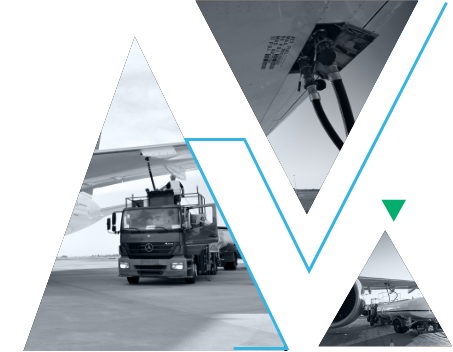
Jet A-1 Fuel Requirements Jet A-1 is the conventional aviation turbine fuel grade used for international jet operations at Changi. An uplift request needs to identify the aircraft registration, required fuel grade, quantity, planned delivery time and the relevant aircraft parking or handling arrangements. For aircraft operating multiple international sectors, the requested uplift is determined from the operator's fuel planning and aircraft requirements. The local delivery arrangement is then coordinated against the applicable supplier and ground-service procedures.

Aviation Fuel Coordination at Singapore Changi Airport

Refueling and Aircraft Turnaround Planning Changi's international operating environment requires fuel deliveries to be aligned with stand access and the planned aircraft turnaround. A short passenger stop, technical stop or longer aircraft stay can involve different fueling arrangements. The requested delivery period needs to account for aircraft arrival, other ground activities and the intended departure. Where the schedule changes, the supplier and handling arrangements need to be reviewed against the revised movement.
Singapore SAF Levy: Effective Dates The Civil Aviation Authority of Singapore (CAAS) confirmed the SAF Levy timetable in September 2026. For qualifying general and business aviation operations, the relevant dates are: 1 October 2026: The levy applies to qualifying services sold from this date. 1 January 2027: The affected flights are those departing Singapore from this date. An aircraft movement therefore needs to be assessed against both the service sale date and the departure date, rather than treating the levy as a charge that begins only when the aircraft departs in 2027.
How the SAF Levy Is Calculated for Business Aviation The SAF levy for business aviation at Changi is calculated based on the destination region, in the following bands:
| Band | Destination region |
| I | Southeast Asia |
| II | Northeast Asia, South Asia, Australia and Papua New Guinea |
| III | Africa, Central and West Asia, Europe, Middle East, Pacific Islands and New Zealand |
| IV | Americas |
SAF Levy in Quotations and Invoices The SAF Levy needs to be distinguished from the underlying aviation fuel price and other applicable airport charges. Where the levy applies, the quotation or invoice needs to identify it separately in accordance with the applicable charging and collection arrangements. This distinction is important because the levy is not simply an additional number of litres of SAF delivered to the aircraft. It supports Singapore's centralized SAF procurement and related environmental-attribute framework.
Physical SAF Uplift and Environmental Attributes A SAF Levy payment does not independently establish that a specified physical SAF quantity has been uplifted into the aircraft. Where an operator requires a particular SAF product, blend, volume or supporting documentation, that request needs to be addressed separately through the applicable supplier arrangements. The physical uplift, commercial documentation and any environmental-attribute claims need to reflect the transaction actually completed.
Fuel Pricing and Additional Charges Fuel quotations at Changi need to account for the requested product and quantity, applicable commercial terms, delivery arrangements and relevant airport charges. Operators reviewing a fuel quotation for a 2027 departure need to distinguish conventional fuel costs from the SAF Levy and any separately requested SAF arrangements.
Coordinating Fuel With Ground Handling Fuel delivery needs to fit the aircraft's parking and servicing schedule. Just Aviation coordinates fuel requests alongside ground handling requirements, including aircraft access, baggage, passenger movement and departure preparation. A revised aircraft schedule can require changes to the requested uplift timing or other ground-service arrangements.
Information Required for a Fuel Request For a SIN uplift request, the operating information includes aircraft registration and type, ICAO code letter where relevant, requested fuel grade and quantity, ETA, ETD, onward destination and any SAF-specific requirements. The operator's final fuel calculations, aircraft limitations and regulatory responsibilities remain under its operational control.

For aviation fuel supply coordination at Singapore Changi Airport, contact Just Aviation at [email protected]
Our Operations Control Center coordinates fuel requests, quotation requirements and related ground arrangements for the intended movement.
Before a qualifying departure, confirm the applicable SAF Levy treatment, fuel-delivery arrangements and current airport operating conditions.


 +971 4 5855 689