
Everything You Need To Know About Flight Diversion

17 January 2025
| By Just Aviation TeamWhat is a diversion flight? A flight diversion occurs when an aircraft lands at an airport other than its planned destination because continuing the flight is no longer the safest or most practical option. Flight diversions may result from severe weather, medical emergencies, technical issues, fuel limitations, airport closures, or air traffic restrictions. Although a diverted flight can disrupt travel plans, it is a carefully managed safety procedure that protects passengers, crew, and the aircraft. This guide explains why flight diversions happen, how pilots decide when to divert, and how operators manage diversions safely and efficiently.
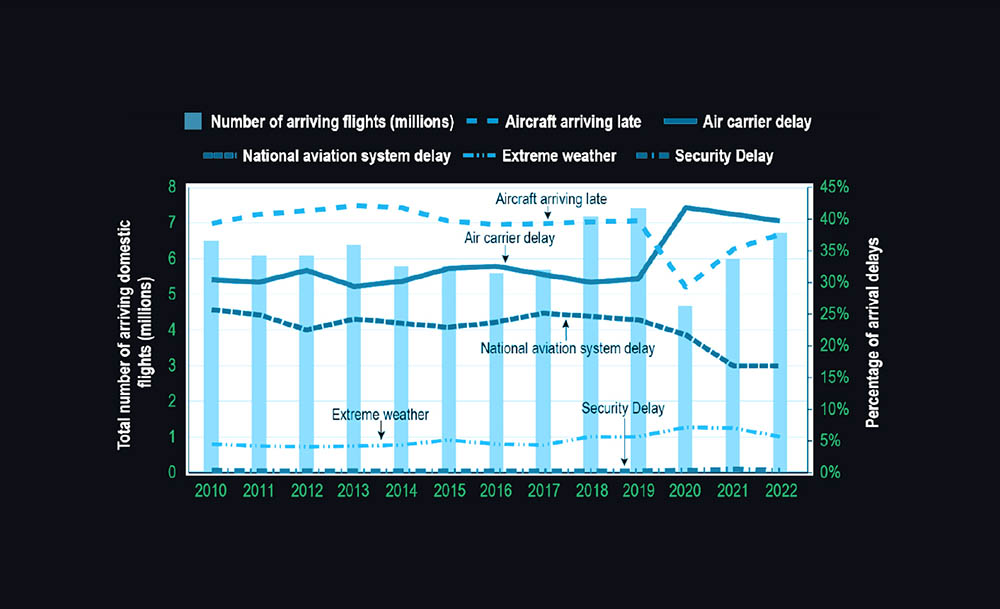
What is a Flight Diversion?
A flight diversion redirects an aircraft to an alternate airport when it is no longer safe or practical to continue to its planned destination. The pilot-in-command (PIC), often in coordination with air traffic control (ATC) and flight dispatch, evaluates factors such as weather, fuel reserves, aircraft performance, airport conditions, and operational requirements before deciding to divert.
Unlike a flight delay, where the aircraft eventually continues to its intended destination, a diverted flight lands at another airport first. It also differs from an emergency landing, which requires an immediate landing because of an urgent safety threat. Many diversions are precautionary measures taken before a situation becomes an emergency.
After landing, operators decide whether the flight can continue, requires refueling or maintenance, or needs a crew change or alternative passenger arrangements. In business aviation, these decisions are supported by diversion planning completed before departure, with suitable alternate airports identified and monitored throughout the flight to enable a safe and efficient response.
Flight Diversion vs Flight Delay
| Flight Diversion | Flight Delay |
|---|---|
| Aircraft lands at an alternate airport. | Aircraft departs or arrives later than scheduled. |
| Usually caused by safety or operational concerns. | Often caused by scheduling, congestion, or minor operational issues. |
| Requires a revised flight plan and an alternate airport. | Flight continues to its original destination. |
| May require refueling, maintenance, or passenger assistance. | Usually resumes once the delay is resolved. |
Understanding this difference helps passengers and operators distinguish between routine operational delays and situations that require immediate changes to the flight plan.
Common Causes of Flight Diversions
A flight diversion can result from one or several factors that affect the safety or practicality of continuing to the planned destination. Throughout the flight, pilots, dispatchers, and air traffic control (ATC) monitor changing conditions and assess whether diverting to an alternate airport is the safest course of action. Below are the most common flight diversion causes and how they affect flight operations.
1. Adverse Weather Conditions
Severe weather is one of the most common flight diversion reasons worldwide. If conditions fall below the airport’s published landing minima or create unacceptable operational risks, pilots divert to a suitable alternate airport.
Common weather-related flight diversion causes include:
• Thunderstorms near the destination airport
• Low cloud ceilings and poor visibility
• Severe crosswinds exceeding aircraft limits
• Runway contamination from snow or ice
• Volcanic ash advisories
• Tropical storms or hurricanes
2. Technical Malfunctions
Mechanical issues, such as engine failure, hydraulic system faults, or avionics malfunctions, necessitate immediate diversions to the nearest suitable airport. For example, an engine failure on a twin-engine aircraft would require an immediate diversion under ETOPS (Extended-range Twin-engine Operational Performance Standards) regulations.
Examples include:
• Engine abnormalities
• Hydraulic failures
• Electrical system faults
• Cabin pressurization problems
• Flight control malfunctions
• Smoke or fire warnings
The flight crew follows approved checklists and Standard Operating Procedures (SOPs) to determine whether to continue, divert, or declare an emergency.
3. Medical Emergencies
Medical emergencies involving passengers or crew are another common plane diversion reason. The decision to divert depends on the severity of the condition, remaining flight time, weather, and the availability of medical facilities near alternate airports.
When immediate treatment on the ground offers the best outcome, pilots coordinate with ATC to prioritize landing and arrange emergency medical assistance upon arrival.
4. Fuel Considerations
Fuel management is a critical part of every flight diversion decision. Aircraft carry fuel for the planned route, alternate airport, contingency requirements, and mandatory reserves. However, unexpected weather, holding patterns, or air traffic delays can reduce available fuel.
If continuing to the destination would compromise regulatory fuel reserves, pilots must divert before reaching minimum fuel limits. For business aviation, operators also consider refueling facilities, airport operating hours, customs availability, and onward flight requirements.
5. Airport Closures and Operational Restrictions
Airports may become unavailable because of operational disruptions, even when weather conditions remain favorable. Common flight diversion causes include:
• Runway incursions
• Disabled aircraft blocking the runway
• Emergency response activities
• Airfield lighting failures
• Wildlife hazards
• Airport equipment malfunctions
Temporary airspace restrictions can also force a flight diversion. Military operations, VIP movements, Temporary Flight Restrictions (TFRs), conflict-related airspace closures, drone activity, and ATC flow restrictions can force diversions. Pilots receive NOTAMs (Notices to Airmen) and other advisories to stay informed about airport status.
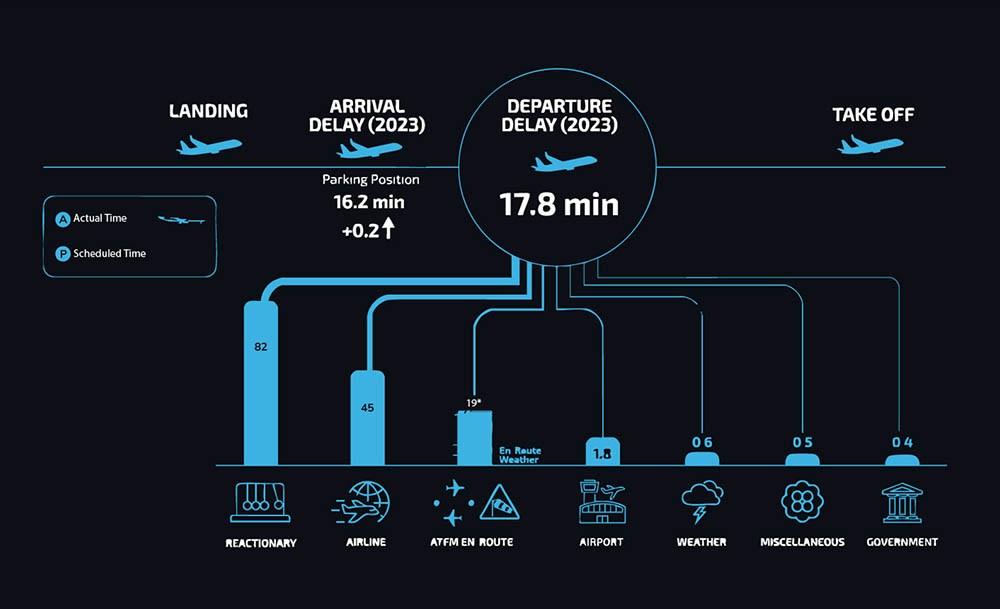
How Pilots Decide to Divert a Flight
Every flight diversion follows a structured decision-making process. Although the pilot-in-command (PIC) has the final authority, diversion decisions are often made in coordination with flight dispatch, operations control, maintenance specialists, and Air Traffic Control (ATC). The goal is to choose the safest option while maintaining operational efficiency and regulatory compliance.
Before diverting, pilots assess several key operational questions:
| Operational Question | Why It Matters |
|---|---|
| Is the aircraft safe to continue? | Determines whether an immediate diversion is necessary. |
| Can the destination still be reached safely? | Assesses weather, runway availability, and airport conditions. |
| Are legal fuel reserves still protected? | Ensures compliance with fuel planning regulations. |
| Is a closer alternate airport more suitable? | Considers runway length, weather, emergency services, and aircraft support. |
| Do passengers or crew require urgent assistance? | Medical or security emergencies may require an immediate landing. |
| Will continuing increase operational risk? | Helps determine whether diverting now is the safest option. |
Based on these assessments, pilots decide whether to continue to the destination, enter a holding pattern, reroute, or divert to a suitable alternate airport. The simplified decision-trees illustrate how this decision-making process typically unfolds.
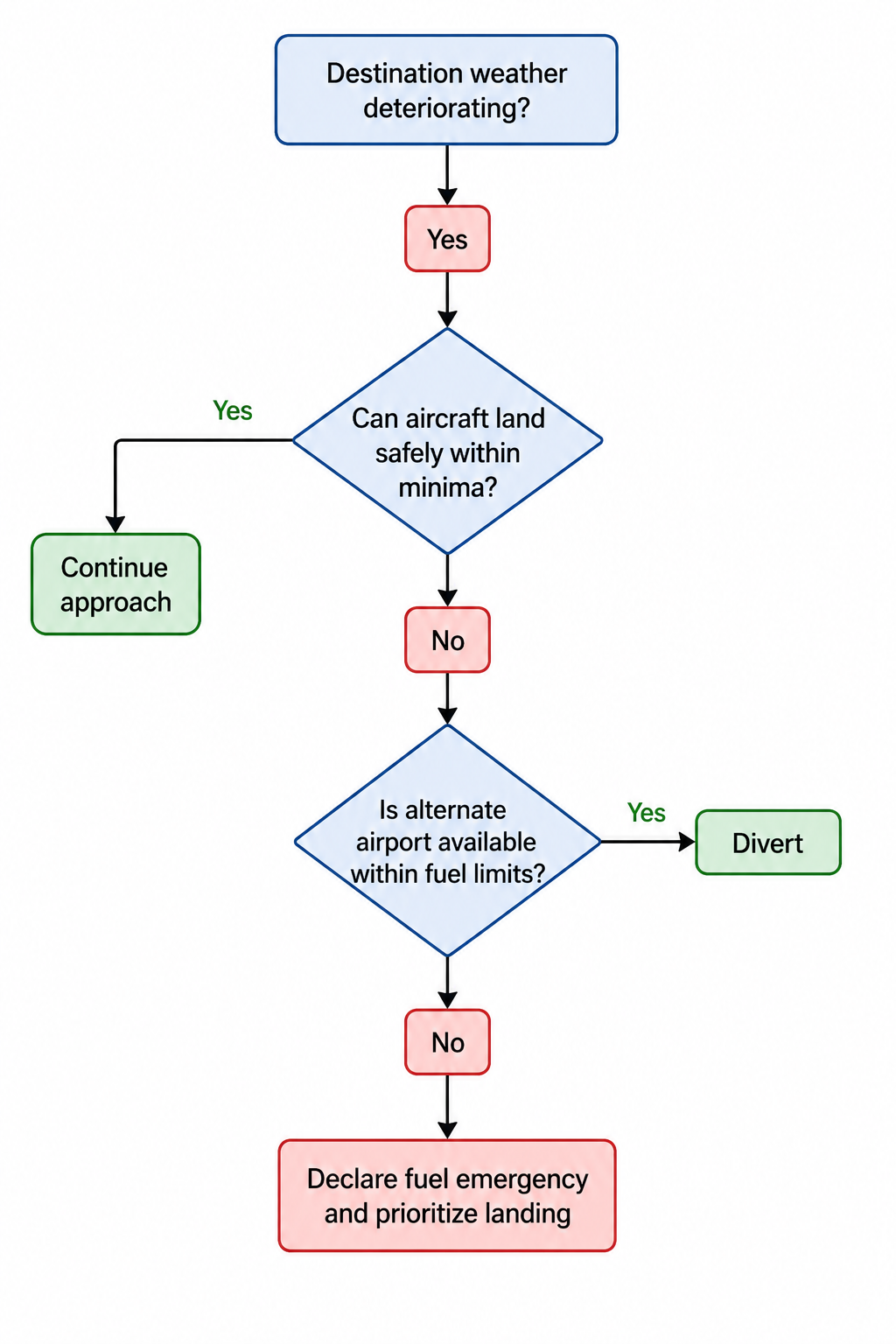

Although every situation is unique, this structured process helps flight crews make consistent, safety-focused decisions while complying with aviation regulations and company Standard Operating Procedures (SOPs). The pilot-in-command (PIC) always has the final authority, but decisions are supported by real-time coordination with dispatch, maintenance teams, and Air Traffic Control (ATC).
Key Factors Pilots Consider When Selecting an Alternate Airport
Once pilots determine that a plane diversion is necessary, the next step is selecting the most suitable alternate airport. Pilots do not automatically land at the nearest airport. Instead, they assess operational, safety, and regulatory factors to determine the most suitable destination for the aircraft, passengers, and crew. For business aviation operations, dispatch teams also consider customs availability, ground handling, maintenance support, and onward travel requirements.
| Factor | Why It Matters |
|---|---|
| Runway length and strength | Must safely accommodate the aircraft’s weight and landing distance. |
| Current and forecast weather | Poor weather at the alternate airport may create additional safety risks. |
| Remaining fuel | The aircraft must reach the alternate while maintaining legal fuel reserves. |
| Navigation and approach aids | Instrument approaches improve safety during low-visibility operations. |
| Airport emergency services | Medical teams, fire services, and rescue equipment may be required. |
| Ground handling and maintenance | Business aircraft often require technical support before continuing the journey. |
| Customs and immigration facilities | Essential for international flights diverting across borders. |
| Airport operating hours | Some airports close overnight or have operational restrictions. |
Selecting the right alternate airport helps pilots maintain safety, meet regulatory requirements, minimize operational disruption, and return the flight to normal operations as efficiently as possible.
Diversion Procedures in Aviation
Once the decision to divert has been made and an alternate airport selected, flight crews follow established diversion procedures to manage the event safely and efficiently. Although procedures vary between operators, the overall process is consistent across commercial and business aviation. Throughout the diversion, pilots coordinate closely with Air Traffic Control (ATC), flight dispatch, maintenance teams, and ground personnel to ensure regulatory compliance, operational continuity, and passenger safety.
| Step | Operational Action |
|---|---|
| Identify the issue | Confirm the operational reason for the diversion. |
| Coordinate with ATC and dispatch | Exchange operational information and obtain revised clearances. |
| Confirm the alternate airport | Verify weather, runway availability, fuel, and support services. |
| Revise the flight plan | Update routing, fuel calculations, and required documentation. |
| Brief passengers and cabin crew | Communicate the diversion and prepare for landing. |
| Land and coordinate ground operations | Arrange maintenance, refueling, medical assistance, customs, or ground handling. |
| Resume or conclude the flight | Continue to the original destination or arrange alternative transport if required. |
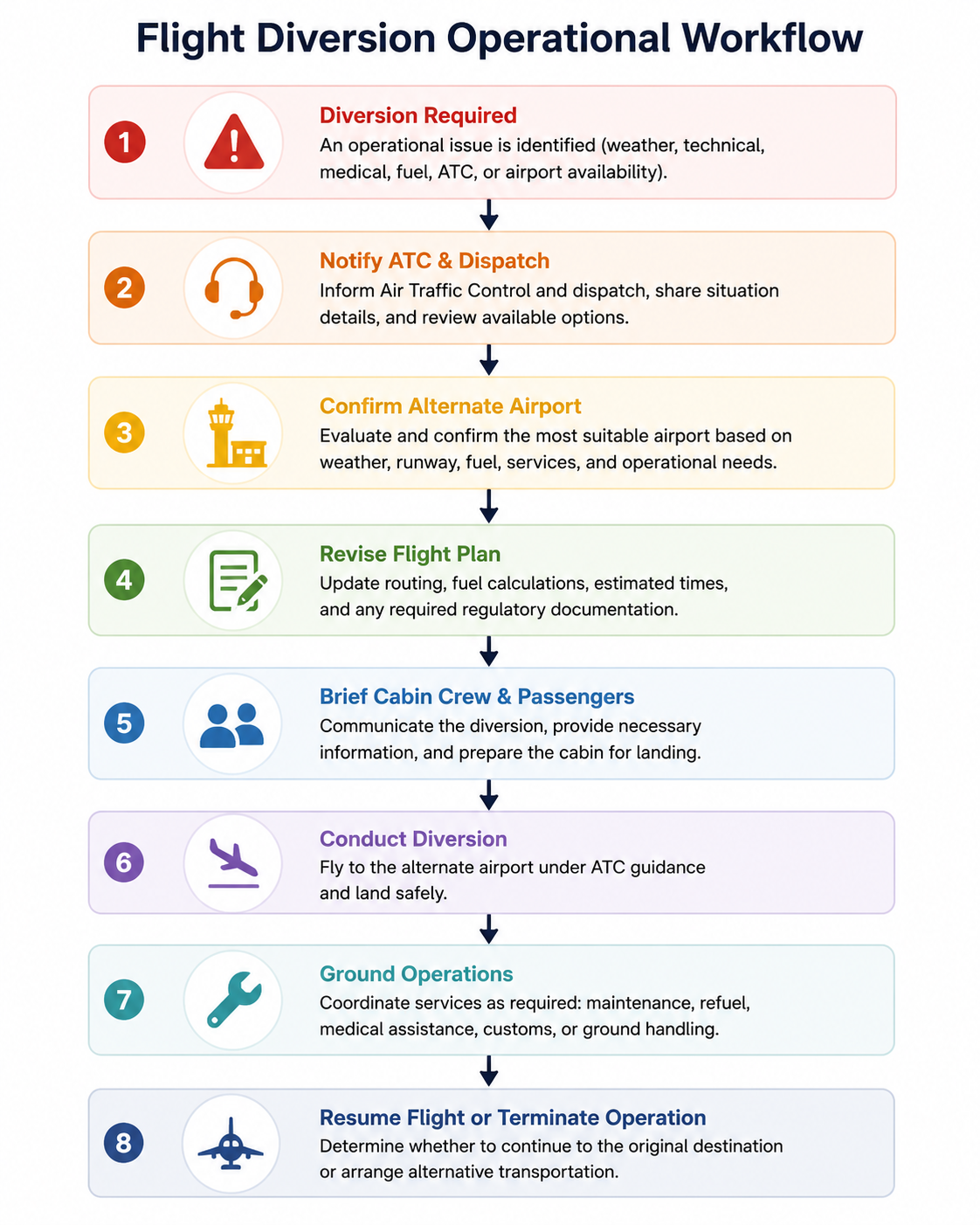
Although the exact sequence varies by operator and the nature of the event, most flight diversion procedures follow a similar operational workflow. Throughout the process, flight crews coordinate with Air Traffic Control (ATC), dispatch, maintenance teams, and ground personnel to maintain safety, regulatory compliance, and operational continuity.
Flight diversions are one type of irregular operation (IROPs). However, IROPs covers a wider range of disruptions, including delays, cancellations, crew disruptions, and schedule recovery, while flight diversion specifically focuses on changing an aircraft’s destination due to safety or operational constraints.
READ MORE: Strategies for Dealing with Irregular Operations (IROPs) in Aviation
Flight Diversion Procedures by Region
Although ICAO establishes global standards for flight diversions, operational procedures vary by region because of local aviation regulations, airspace management, customs requirements, and airport infrastructure. Business aviation operators must also consider overflight permits, landing permits, fuel availability, and passenger clearance requirements when diverting internationally.
| Region | Operational Considerations | Fuel & Permit Implications |
|---|---|---|
| United States (FAA) | ATC and dispatch coordinate diversion under FAA regulations. Large network of suitable alternates. | Fuel is generally readily available. Diversions rarely require additional landing permits for domestic operations. |
| Europe (EASA) | Diversions may involve airport slots, curfews, and cross-border coordination. | Operators must consider EU261 obligations and airport slot restrictions. |
| Middle East | Diversions often require closer coordination with airport authorities and handlers. | Some destinations require landing permits, customs clearance, and diplomatic approvals before onward departure. |
| Asia-Pacific | Long overwater routes make alternate planning critical. Weather changes rapidly. | Fuel availability varies between airports, and remote alternates may have limited support services. |
Fuel and Permit Considerations During International Flight Diversions
When a flight diversion crosses international borders, operators may face additional operational requirements beyond selecting an alternate airport. Dispatch teams must verify:
• Landing permits
• Overflight permits for revised routing
• Customs and immigration availability
• Fuel availability and operating hours
• Ground handling arrangements
• Crew duty time limitations
Failure to account for these factors can delay the aircraft’s return to service even after the diversion has been completed.
Real-World Business Aviation Diversion Examples
Example 1: Weather Diversion
A business jet traveling from London to Geneva encounters severe thunderstorms over its destination. Rather than holding until fuel reserves become limited, the crew diverts to Lyon, where weather conditions remain suitable for landing. Dispatch coordinates refueling and updates the flight plan before the aircraft continues to Geneva once conditions improve.
Example 2: Medical Diversion
During a charter flight from Dubai to Singapore, a passenger experiences a serious medical emergency. After consulting an onboard medical support service, the crew diverts to Bangkok, where emergency medical teams are standing by. Ground handlers coordinate customs clearance, passenger assistance, and onward flight planning.
Example 3: Permit/Fuel Diversion
A business aircraft operating across the Middle East diverts because of unexpected weather. Although a nearby airport is available, dispatch selects another alternate with confirmed fuel availability, customs services, and the required landing permissions to minimize delays before continuing the journey.
Passenger Rights & Flight Diversion Compensation
A flight diversion does not automatically entitle passengers to compensation. Passenger rights depend on the reason for the diversion, the airline’s conditions of carriage, and the regulations that apply in the country or region where the flight operates. While safety-related diversions caused by weather or medical emergencies rarely qualify for compensation, airlines are often required to provide assistance when passengers experience significant delays or disruptions.
| Region | Typical Passenger Rights |
|---|---|
| European Union (EU261) | Passengers may be entitled to care, rebooking, refunds, or compensation if the disruption is within the airline’s control. Extraordinary circumstances, such as severe weather, usually exempt airlines from compensation. |
| United States | Airlines generally provide rebooking or refunds based on their policies and the circumstances of the diversion. Federal rules do not automatically require compensation for diverted flights. |
| Other Regions | Passenger rights vary depending on local regulations and the airline’s conditions of carriage. Many carriers provide meals, accommodation, or onward transportation when appropriate. |
Assistance Airlines Commonly Provide
• Rebooking on the next available flight
• Refunds if the flight cannot continue or is canceled
• Meals and refreshments during extended delays
• Hotel accommodation for overnight disruptions, where applicable
• Ground transportation between the airport and hotel, if provided by the airline
• Updates and communication regarding onward travel arrangements
For business aviation, passenger assistance is typically governed by the charter agreement or operator’s service commitments rather than commercial airline compensation regulations.
Best Tips for Effective Flight Diversion Management
Implementing effective flight diversion management practices helps operators strengthen safety, improve operational efficiency, and minimize disruptions during unexpected events. Industry studies show that proactive planning, continuous operational monitoring, and coordinated decision-making can improve both operational performance and the passenger experience.
Reduction in Diversion Rates
According to the International Air Transport Association (IATA), airlines that have implemented comprehensive diversion management protocols have seen a 15% reduction in diversion rates over the past five years. This improvement is attributed to better pre-flight planning and real-time weather monitoring.
Enhanced Passenger Satisfaction
The European Union Aviation Safety Agency (EASA) reports that airlines focusing on effective communication and passenger management during diversions have achieved a 20% increase in passenger satisfaction scores. Clear communication and timely updates significantly reduce passenger anxiety and improve the overall travel experience.
Operational Efficiency
The Federal Aviation Administration (FAA) highlights that airlines with robust fuel management and crew training programs experience 30% fewer delays related to diversions. Efficient fuel management ensures that aircraft have sufficient reserves, reducing the need for unscheduled landings.
Cost Savings
The National Business Aviation Association (NBAA) indicates that business flight operators who invest in advanced avionics and technical support systems save an average of $500,000 annually on diversion-related costs. These savings come from reduced fuel consumption, fewer maintenance issues, and minimized passenger compensation expenses.
Improved Safety Records
The International Civil Aviation Organization (ICAO) notes that airlines adhering to strict diversion protocols have a 25% better safety record compared to those with less stringent procedures. Enhanced safety measures during diversions contribute to fewer incidents and accidents.
Although flight diversions cannot always be prevented, adopting industry best practices enables operators to improve operational resilience, maintain regulatory compliance, and deliver safer, more efficient flight operations.
FAQs
What is a flight diversion?
A flight diversion occurs when an aircraft lands at an airport other than its planned destination because continuing the flight is unsafe or impractical. Diversions may happen due to weather, technical issues, medical emergencies, fuel limitations, airport closures, or airspace restrictions. The pilot-in-command selects the safest available option after assessing operational conditions.
Why are flights diverted?
Flights are diverted when reaching the original destination is no longer the safest or most practical option. Common reasons include severe weather, aircraft technical problems, medical emergencies, insufficient fuel reserves, airport closures, security concerns, and air traffic restrictions. The decision prioritizes passenger and crew safety while considering operational requirements.
How do pilots decide when to divert a flight?
Pilots consider several factors before diverting, including aircraft condition, remaining fuel, weather conditions, destination airport availability, alternate airport suitability, and passenger or crew needs. The pilot-in-command has final authority but often coordinates with dispatch teams, maintenance specialists, and air traffic control before making the decision.
What happens after a flight is diverted?
After landing at an alternate airport, the airline or operator assesses whether the aircraft can continue safely. The flight may resume after refueling, maintenance checks, or crew arrangements. If continuation is not possible, operators may arrange passenger rebooking, accommodation, ground transportation, or alternative travel options.
Are passengers entitled to compensation after a flight diversion?
A flight diversion does not automatically guarantee compensation. Passenger rights depend on the cause of the diversion, the airline’s policies, and regional regulations. Weather, medical emergencies, and other safety-related events may be considered extraordinary circumstances. However, airlines may still provide assistance such as meals, accommodation, or rebooking depending on the situation.
How do pilots choose an alternate airport during a diversion?
Pilots select alternate airports based on more than distance alone. They evaluate runway suitability, weather, fuel availability, navigation facilities, emergency services, maintenance support, operating hours, and customs requirements. For international business aviation flights, operators also consider permits, ground handling, and passenger clearance needs.
Conclusion
Flight diversions require careful planning, quick decision-making, and strong coordination between pilots, operators, airports, and support teams. At Just Aviation, we provide comprehensive flight support services that help business aviation operators manage unexpected disruptions safely and efficiently. From alternate airport coordination and permit assistance to passenger arrangements and operational support, our experienced team helps ensure every diversion is handled smoothly while maintaining safety, compliance, and passenger comfort.


 +971 4 5855 689